Fast, Reliable Checkout Infrastructure for Growing Businesses
For a growing business, making a sale is only half the job. The other half is making sure the customer can pay quickly, successfully, and with as little friction as possible.
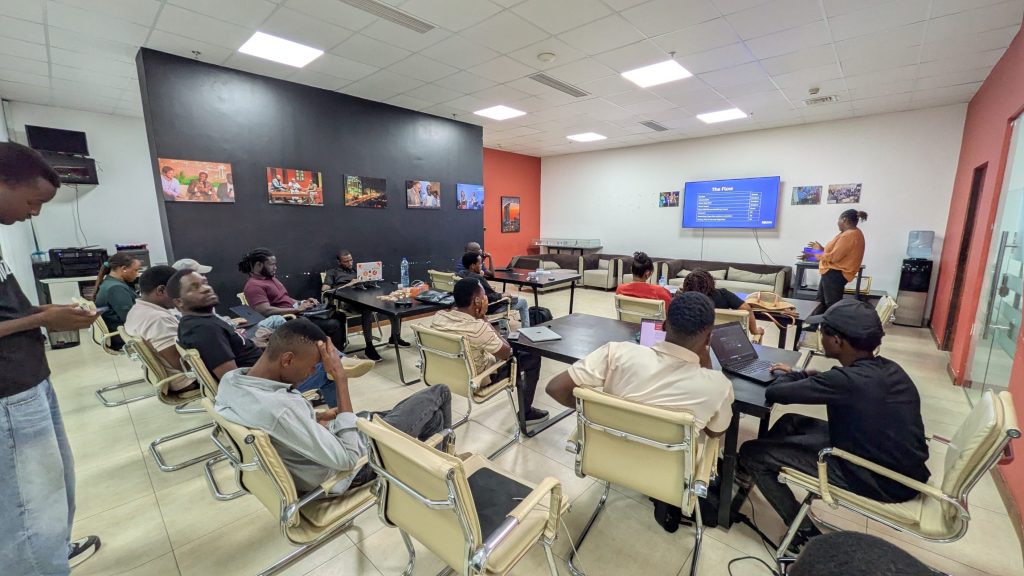
That was the focus of Zege Kuku Episode 4, which brought together business owners, developers, and technology enthusiasts to explore how modern payment infrastructure can help businesses move from simply accepting payments to building stronger, data-driven commerce operations.
Checkout is infrastructure, not just a payment button
As businesses grow, checkout becomes increasingly important. Customers expect the process between deciding to buy and completing payment to be straightforward. Behind that seemingly simple experience, however, businesses need infrastructure capable of collecting payments, showing transaction status, supporting operations, and providing information teams can act on.
This is where MALIPO by Tunzaa fits into the wider Tunzaa ecosystem. Tunzaa describes itself as a digital commerce infrastructure company building an operating system that enables African businesses to sell, collect payments, manage customers, access financing, and operate digitally. Its ecosystem includes Soko, a marketplace connecting buyers and sellers; Mauzo, commerce infrastructure for online stores, mobile apps, POS solutions and digital sales operations; and Malipo, payment infrastructure that enables businesses and developers to accept digital payments through APIs and payment tools.
The session demonstrated that payment infrastructure should therefore be viewed as part of a business’s growth infrastructure rather than an isolated technical feature.
Speed matters when a business is ready to grow
One of the central ideas presented during the session was simple: businesses should be able to start collecting payments without spending weeks or months setting up payment infrastructure.
MALIPO is positioned around helping businesses go live faster while also knowing exactly where each payment stands. The presentation illustrated a transaction journey in which a payment is initiated, confirmed in real time, and made visible to the business, with stalled payments identifiable immediately.
This kind of visibility becomes especially valuable as transaction volumes increase.
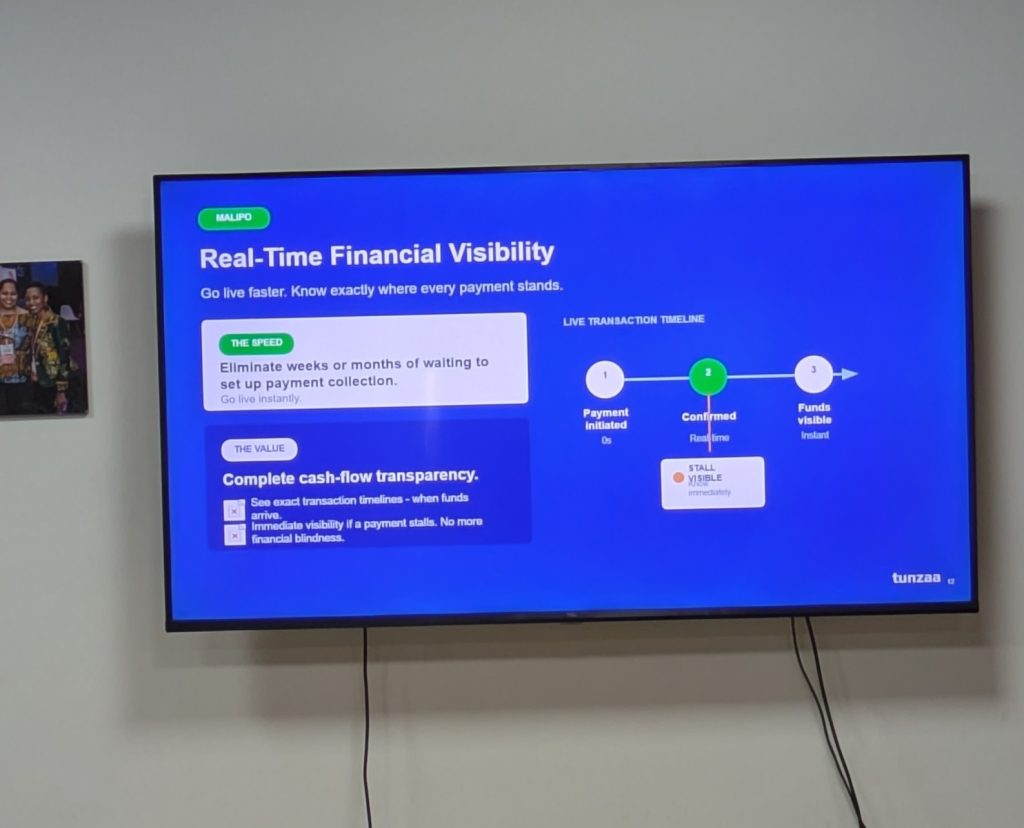
A growing business cannot afford to repeatedly ask questions such as: Did the customer actually pay? Has the transaction been confirmed? Where are the funds? Has something stalled?
Reliable checkout infrastructure should make those answers visible.
From accepting payments to understanding the business
Episode 4 also went beyond payment collection.
The bigger opportunity appears when payment infrastructure connects with commerce infrastructure. The presentation describes MALIPO + MAUZO as a “Growth Engine”, combining payments and commerce so that every transaction can contribute to better decisions and tighter operations.
When businesses can connect payment activity with what customers are buying, transactions become a source of business intelligence.
The presentation highlighted two important outcomes. First, businesses can develop deeper insights into buying patterns and overall business performance. Second, they can improve operational control by connecting sales with stock movement, particularly for merchants dealing with fast-moving inventory.
The result is a more complete operating view: payments, buying signals, and stock movement in one business environment.
Building for developers as well as businesses
Reliable payment infrastructure also depends on how easily developers can integrate it into the products businesses already use.
During the session, participants were challenged to think about their own experience integrating local payment APIs, before moving into a practical demonstration using MALIPO. The presentation specifically introduced MALIPO’s browser-based environment alongside common development tools and IDEs, followed by a live demo.
The attached event video reinforces the practical, community-oriented nature of the session: participants are shown following the presentation as the Tunzaa ecosystem—including Soko, Mauzo and Malipo—is explained.
This developer component matters because checkout infrastructure ultimately needs to work inside real products: websites, applications, digital storefronts, POS environments, and other business systems.
The bigger picture: payment visibility creates operational control
The strongest takeaway from Episode 4 is that checkout should not end at “Payment Successful.”
For a growing business, a transaction can also tell you what customers want, how the business is performing, what inventory is moving, and where operational problems may be developing.
The session’s progression captures that idea particularly well:
Collect with MALIPO → Understand with data → Operate with MAUZO.
The presentation ultimately describes this as equipping businesses with the infrastructure needed to control their market.
Fast checkout helps customers complete purchases. Reliable infrastructure gives businesses confidence that those transactions can be tracked. And connected commerce data helps teams turn those transactions into better decisions.
For growing businesses, that combination is what transforms payments from a necessary utility into a foundation for growth.